
What an adventure!
Over an 18-month period, ten talented young professionals taking part in SKF’s global trainee programme had the opportunity to work at three different locations around the world, including Malaysia, Mexico,…
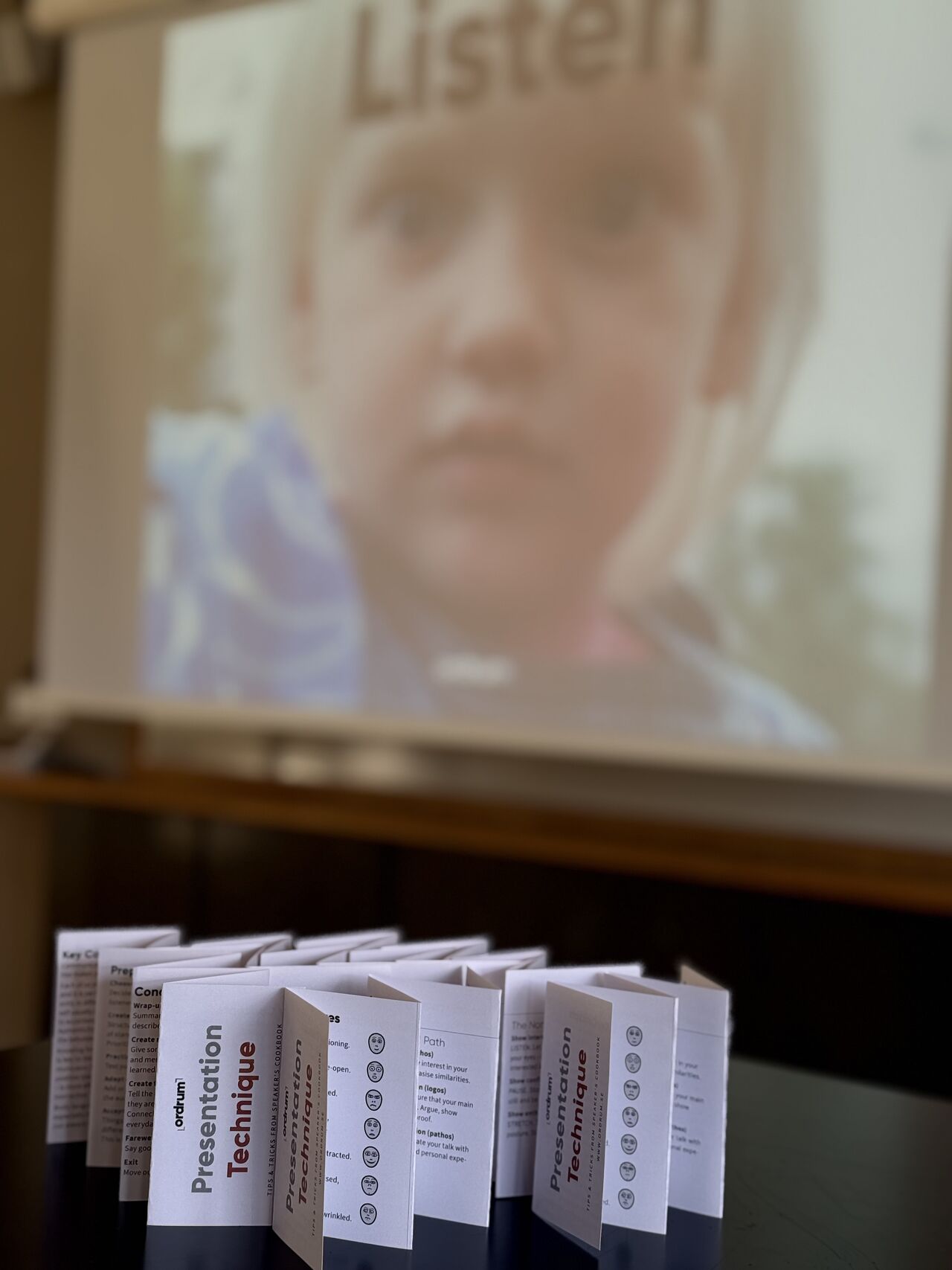
A recurring pattern emerges, particularly in academia: manuscripts, documentation and slides become intermingled. Rather than making use of their three different functions:
DOCUMENTATION should be readable by someone who wasn’t in the room. It should be rich and self-contained, able to stand on its own.
The MANUSCRIPT is the speaker’s support. It should contain keywords and questions to help you find your way back.
The SLIDES are the stage backdrop. Rather than repeating the speaker’s message word for word, they should highlight and strengthen it. Sometimes a picture is enough; sometimes a graph is needed; and in other cases, a key sentence is the best choice.
When a slide tries to do all three jobs, it rarely does any of them well, and the audience ends up doing double the work.
“The most common mistake is a slide packed with text that nobody has time to read. After the presentation, very few of us look at the handouts, which means the documentation function isn’t working either. Using AI tools makes it easy to separate the three functions.” – Erik Mattsson.
What is the situation in your organisation? Have slides become documentation, or has the manuscript crept onto the screen?
Thank you to this weeks’ participants in the two presentation skills workshops for PhD students in two settings: one at Chalmers University of Technology, and one as part of the Marie Curie Doctoral Network, organised by Uppsala University.
Over an 18-month period, ten talented young professionals taking part in SKF’s global trainee programme had the opportunity to work at three different locations around the world, including Malaysia, Mexico,…
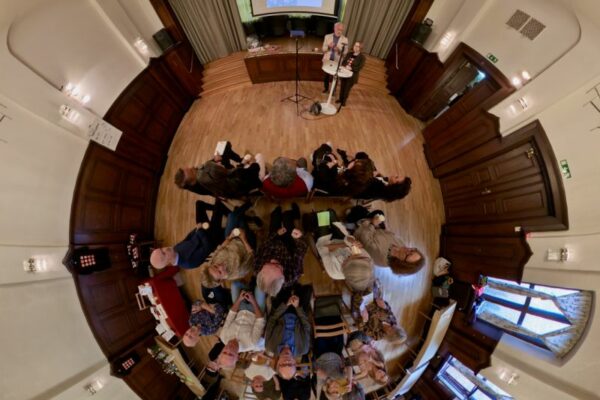
Thank you to everyone who attended our book release live from Gothenburg and digitally from around the world. And thank you to everyone that made the book possible. The Meeting…

Talkback means repeating exactly what the sender has said to confirm that the message has been received. This is an excellent way to end a meeting: go around the room…